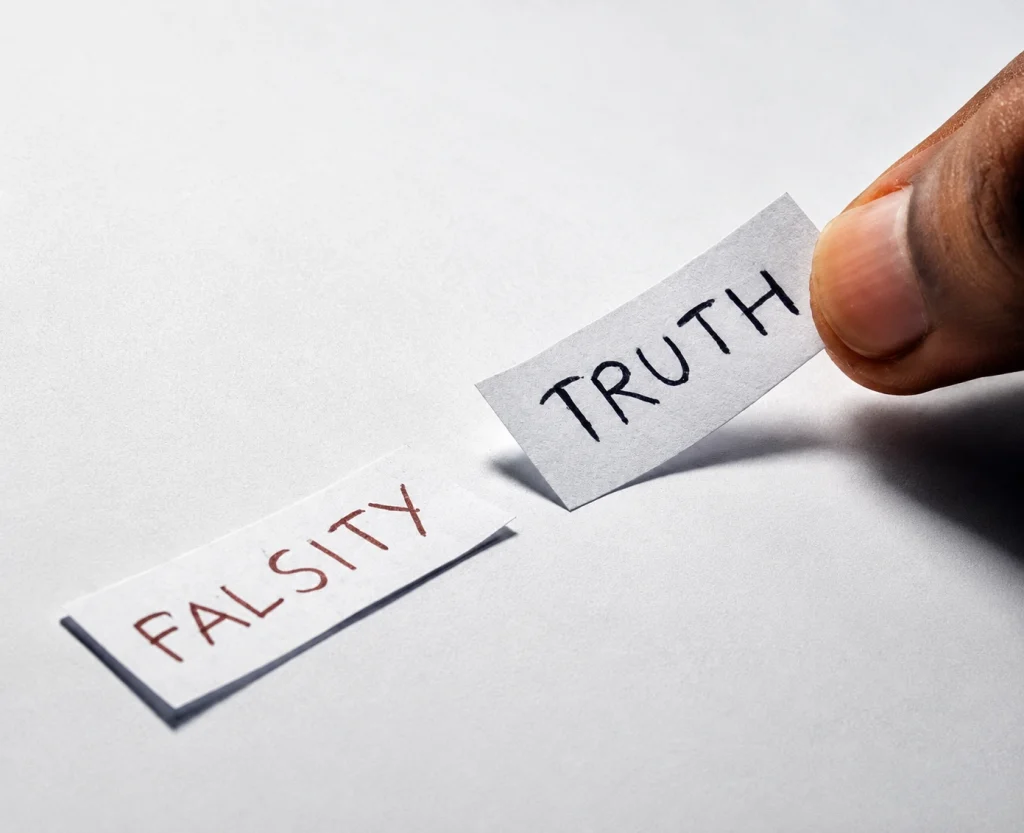

Confidence is often celebrated as a sign of competence, authority and emotional strength. But not all confidence is what it appears to be. Sometimes, what looks like certainty is really fear or a fragile attempt to protect the self from doubt. The illusion of confidence is not simply about people “faking it”; it is about the complex gap between how assured someone appears and what is happening beneath the surface.
At its healthiest, confidence is trust in one’s abilities, judgement and capacity to learn. It is grounded in self-awareness, practice and a realistic understanding of strengths and limits. This kind of confidence does not require perfection or performance, it can admit uncertainty without collapsing. That is what makes it durable.
Illusory confidence, by contrast, often depends on image management. It can sound decisive, look fearless and project control, while hiding insecurity, inexperience or a need for validation. The danger is not confidence itself, but confidence detached from competence and reflection.
Why the Illusion Happens
One reason false confidence takes hold is overconfidence bias, where people systematically overestimate their abilities or knowledge. Another is the Dunning-Kruger effect, where people with limited skill in a domain may be especially prone to overrating their competence. In both cases, the mind can create a story that feels more reassuring than reality.
There is also a social dimension. Many environments reward boldness more than honesty, even when boldness is not backed by depth. People may learn to perform confidence because uncertainty is treated as weakness, especially in workplaces and leadership spaces. Over time, the performance can become so polished that the person starts believing it too.
The illusion of confidence can distort decision-making. When someone believes they are more capable than they really are, they may ignore feedback, take unnecessary risks or dismiss valuable input from others.
It can also be emotionally exhausting. Maintaining a strong exterior while feeling unsure inside often leads to pressure, defensiveness and fear of exposure. Instead of building genuine self-trust, the person becomes dependent on external approval and image maintenance. The result is a confidence that looks solid from far away, but feels unstable up close.
The Other Side of the Illusion
Interestingly, not everyone who seems uncertain lacks confidence. Some people experience imposter syndrome, where they doubt their worth or abilities despite real achievement. In those cases, the issue is not inflated self-belief but a failure to internalise success.
This is why confidence and self-worth should not be treated as the same thing. Confidence can fluctuate with performance and context, but self-worth is deeper: it is the belief that one has value regardless of achievements or mistakes. A person may be highly capable and still feel inadequate, just as another may appear assured while lacking both competence and self-awareness.
Signs of Authentic Confidence
Authentic confidence is quieter and more grounded. It does not need to dominate every room or answer every question immediately. It can say, “I do not know,” without shame, because it trusts that honesty is stronger than performance.
A few signs of genuine confidence include:
- Self-awareness, knowing both strengths and weaknesses.
- Receptiveness to feedback, without becoming defensive.
- Emotional steadiness, especially under pressure.
- Humility, which allows room for learning and correction.
- Consistency between inner values and outward behaviour.
This kind of confidence does not rely on pretending to have all the answers. It grows through experience, reflection and the willingness to keep learning.
How to Build Real Confidence
A useful approach is to separate worth from performance. When people stop treating mistakes as proof of inadequacy, they become more willing to learn, adapt and improve. Journalling, feedback, coaching and deliberate practice can all help uncover where insecurity is driving overcompensation or where fear is hiding behind perfectionism.
Conclusion
The illusion of confidence reminds us that appearance is not the same as depth. A person can sound certain and still be unsure, just as a person can feel nervous and still be deeply capable. What matters most is not how confidence is displayed, but whether it is rooted in truth.
Healthy is the ability to move forward without needing to disguise humanity. When self-assurance is anchored in self-awareness, competence and self-worth, it stops being an illusion and becomes a reliable foundation for growth.