
Imagine walking into the most important meeting of your career.
The board is divided. The media is waiting outside. Investors want answers. Your team is looking to you for certainty.
You haven’t spoken yet, but the most important communication decision may already have been made weeks, or years, earlier.
That sounds strange until you meet one of history’s oldest communication strategies.
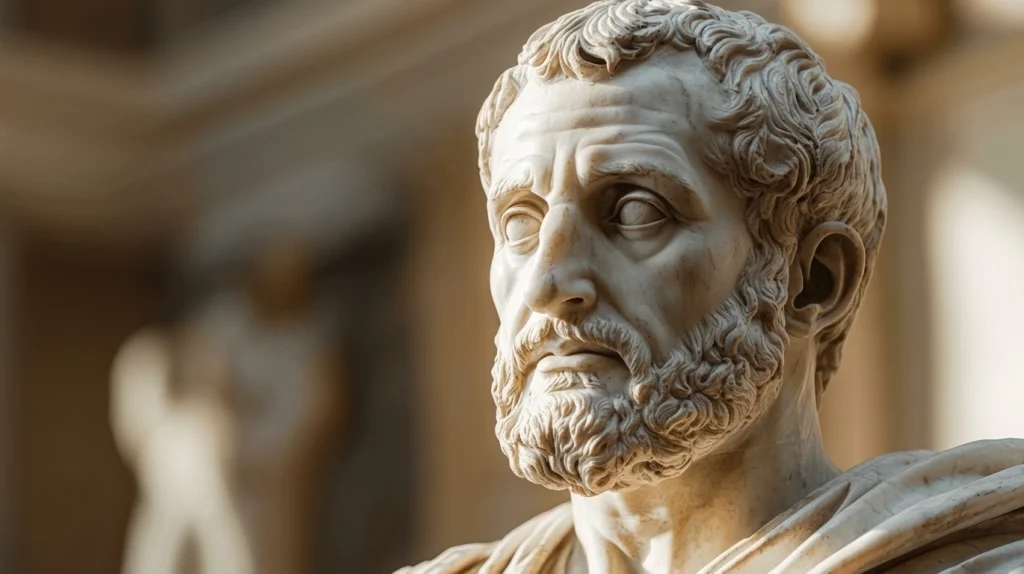
Long before behavioural economists coined the term commitment device, Homer told the story of Ulysses sailing past the Sirens. He knew something most leaders eventually discover: willpower is unreliable. The person you are under pressure is not always the person you are in preparation.
So before the danger arrived, Ulysses instructed his crew to tie him to the mast and ignore every command he gave to be released. He wasn’t restraining himself. He was restraining the version of himself that hadn’t yet appeared.
Most people hear this as a story about temptation. It is. But it’s also a story about communication. Every leader eventually faces the same question: What promises will you make today that your future self will be required to honour?
Every Public Statement Is a Contract With Your Future Self
When a chief executive announces, “We will never compromise customer safety,” they are doing far more than making a statement. They are reducing their own future options.
If a crisis emerges two years later and the pressure to protect profits becomes enormous, yesterday’s words become today’s constraint. Communication has become commitment.
This is why the strongest leaders are careful about what they promise, not because they fear accountability, but because they understand it.
Every Speech Builds a Cage
That sounds negative. It isn’t.
Credibility is built from predictable behaviour. Every time your actions match your words, another bar is added, not to imprison you, but to strengthen the structure people call trust.
Eventually, people stop believing you because today’s speech sounded convincing. They believe you because your last hundred speeches matched your last hundred decisions. Your reputation begins speaking before you do. Ironically, the more credible you become, the fewer things you can afford to say carelessly.
Why Great Communicators Rehearse More Than Words
Most people think rehearsal is about remembering what to say. It isn’t. It’s about deciding in advance how you’ll behave once your emotions are no longer reliable.
A skilled spokesperson doesn’t prepare answers. They prepare principles:
“I won’t speculate. I’ll answer what I know. If I don’t know, I’ll say so. I won’t become defensive.”
These aren’t speaking techniques. They’re communication contracts. When pressure rises, preparation replaces impulse.
The Most Dangerous Sentence a Leader Can Say
Sometimes the most expensive communication mistakes begin with one word: never.
“We will never…” “That could never…” “I guarantee…”
Absolute language feels confident. Until reality changes. History is full of leaders whose credibility wasn’t destroyed because circumstances changed. It was destroyed because their earlier words left them no room to adapt.
Confidence should create clarity, not unnecessary imprisonment.
The Quiet Discipline of Credible Leaders
There’s a reason experienced leaders often sound less absolute than inexperienced ones. They’ve learned that certainty is expensive. They know the difference between confidence and commitment, between conviction and rigidity, between saying “This is what we know” and “This can never change.”
One builds credibility. The other often mortgages it.
Communication Isn’t Just About Influence
We often describe communication as the ability to influence other people. That’s only half the story. The best communicators also influence themselves.
Every public promise increases accountability. Every value statement becomes a future decision-making guide. Every commitment narrows the temptation to compromise when circumstances turn uncomfortable.
Communication, then, is not merely persuasion. It is self-governance.
Before Your Next Speech
Before your next presentation, your next interview, your next leadership announcement, ask yourself one question:
If circumstances became difficult tomorrow, would I still want to be bound by the words I’m about to say today?
If the answer is yes, speak boldly. If the answer is no, think again.
Because every speech is more than a performance. It is a promise to your future self. And the strongest communicators understand something Ulysses understood thousands of years ago: the greatest act of communication is sometimes deciding, in advance, which version of yourself will be allowed to speak when the pressure finally arrives.