
Not Every Audience Laughs the Same: A Guide to Cross-Cultural Humour

A speaker walks onto a stage. The room is full. The audience is attentive. The presentation is going well. Then comes the joke. The speaker delivers it with confidence, waits for the laughter, and hears almost nothing. A few polite smiles. A cough. Someone shifts in their seat. The speaker moves on, quietly wondering what […]
Would You Rather Be a Speaker, a Communicator or an Orator?

Would You Rather Be a Speaker, a Communicator or an Orator? There is a question worth asking anyone who wants to become better at public speaking: what exactly are you trying to become? A better speaker? A better communicator? Or an orator? The three words are often used as though they mean the same thing. […]
You Didn’t Lie. But Did You Tell the Truth?
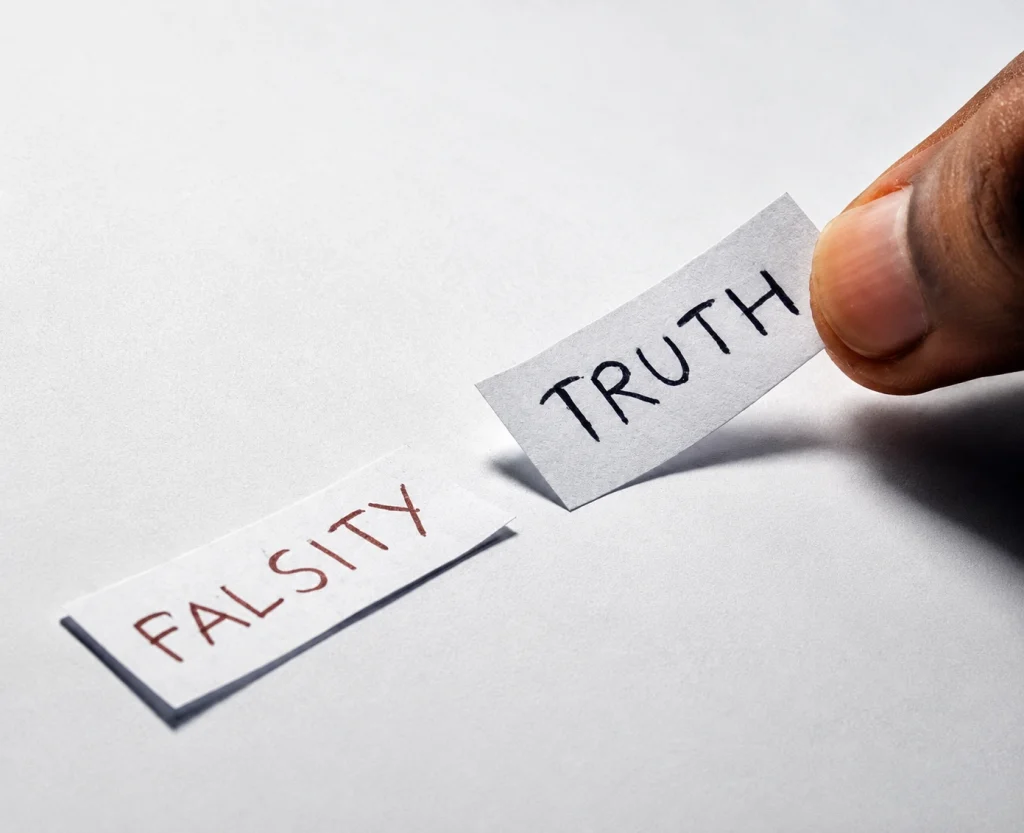
There is a particular kind of dishonesty that is difficult to confront because, technically, nothing false was said. A manager presents the results of a project to the board. The numbers are accurate. The presentation is carefully prepared. The language is measured and professional. There is no fabricated figure, no invented achievement and no obvious […]
The Amathia Trap: Why Better Communication Begins With What You Don’t Know

We spend a great deal of time teaching people how to communicate. How to speak with confidence. How to tell better stories. How to command a room. How to choose the right words. But what if some of our biggest communication problems have very little to do with how we speak? What if the problem […]
Your Voice Is Not a Speaking Technique

Your Voice Is Not a Speaking Technique There is a strange thing that happens when people decide they want to become better speakers. They start looking for other speakers. They watch how they stand. They listen to how they use their voices. They study the way they open a presentation, tell a story, pause for […]
The Speaker, the Message or the Audience: What Should Come First?

There is an interesting question at the heart of every act of public communication: who, or what, should matter most? The person speaking? The message being delivered? Or the people listening? At first, the answer might seem obvious. A speaker needs to know their audience. Anyone who has spent time studying communication has heard some […]
We All Perform Differently When We Believe We Can Win

Cracking the Code on Confidence Notice how differently you behave when you’re convinced you’ll succeed. Your shoulders sit a little higher. Your voice sounds steadier. You decide faster, volunteer your ideas instead of waiting to be invited, and recover from mistakes without losing your footing. The task hasn’t changed. Something inside you has. That something […]
We Should Talk More About the Promises We Make Before We Need Them

Imagine walking into the most important meeting of your career.The board is divided. The media is waiting outside. Investors want answers. Your team is looking to you for certainty.You haven’t spoken yet, but the most important communication decision may already have been made weeks, or years, earlier.That sounds strange until you meet one of history’s […]
The Performance of Confidence: Why Looking Confident Is Not the Same as Being Credible

There are people who walk into a room and immediately appear to know what they are doing. They speak without hesitation, answer questions quickly and seem entirely comfortable occupying the space around them. Their posture is assured, their voice is steady and their opinions are delivered with conviction. Even before they have had the opportunity […]
Why Executive Presence Begins Before You Speak

There is a moment in every important meeting when a person walks into a room and, without saying anything, begins to communicate. Perhaps it is a boardroom filled with senior executives. Perhaps it is a meeting with a prospective client, a presentation to investors or a strategy session with a leadership team. The person has […]