
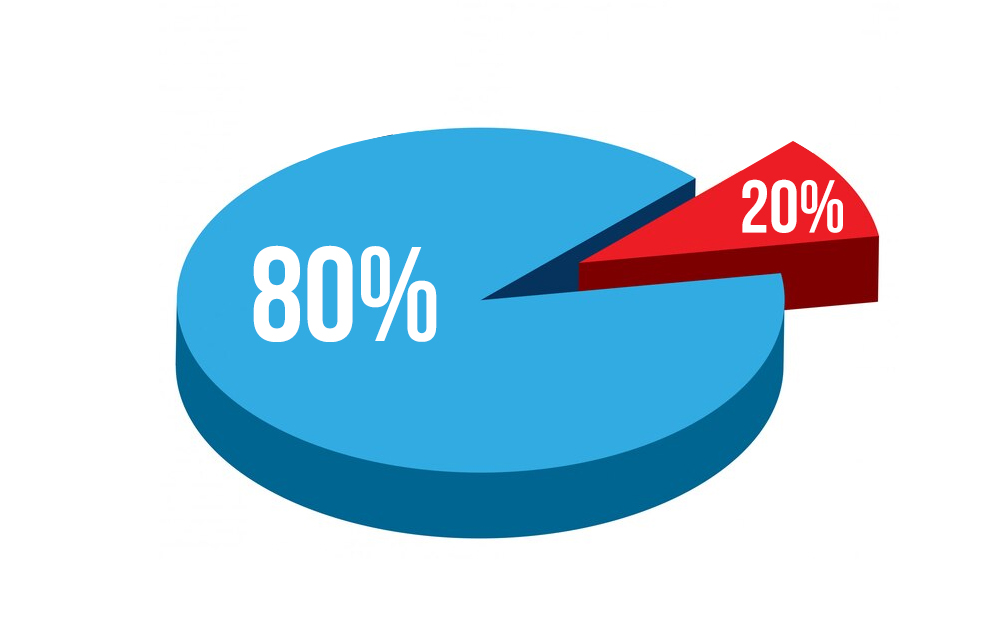
The 80/20 principle, also known as the Pareto Principle, highlights that approximately 80% of results come from 20% of causes. This principle is widely applied across various fields to prioritise efforts on the key factors that drive the majority of outcomes. In communication, the 80/20 rule emphasises the importance of focusing on the vital few messages that create most of the impact, as well as spending more time listening than speaking.
Understanding the 80/20 Principle
The Pareto Principle, named after economist Vilfredo Pareto, originally observed that 20% of the population owned 80% of the land in Italy. Since then, this concept has been broadly applied to areas such as business, productivity, and personal development, teaching that a small percentage of causes typically generate the vast majority of results.
Use of the 80/20 Principle in Communication
In communication, the 80/20 rule manifests primarily in the balance between listening and speaking. Effective communicators spend about 80% of their time listening attentively and only 20% talking. This approach fosters greater understanding, reduces misunderstanding, and strengthens relationships. Listening actively allows one to grasp the most important 20% of information which leads to 80% of the clarity and resolution in conversations.
Additionally, clear communication leverages the 80/20 principle by focusing on the 20% of key points or messages that will deliver 80% of the intended effect. Avoiding information overload helps keep messages concise and memorable.
Why the 80/20 Principle Matters
We live in an age drowning in tasks, noise, and deadlines. People burn out not from doing too little but from busy doing everything. The 80/20 Principle reminds us that:
- You don’t need more time. You need better focus.
- Knowing your vital 20% means working with greater intention.
- Productivity becomes not louder or longer but sharper and calmer.
Benefits of Applying the 80/20 Rule in Communication
- Enhances understanding through attentive listening rather than dominating conversations.
- Helps distil the most critical messages for greater impact.
- Saves time and effort by concentrating on the most meaningful information.
- Builds rapport and trust by showing genuine interest in others’ perspectives.
- Improves leadership communication by encouraging meaningful dialogue.
The 80/20 principle is a valuable tool in communication, urging prioritisation of the vital few messages and emphasising the power of listening. By spending 80% of communication time listening and focusing on the 20% of information that yields most results, communicators can foster clarity, efficiency, and deeper connections. This principle transforms communication into a potent tool for influence and understanding in both professional and personal contexts.