Reflections for International Women’s Day 2026
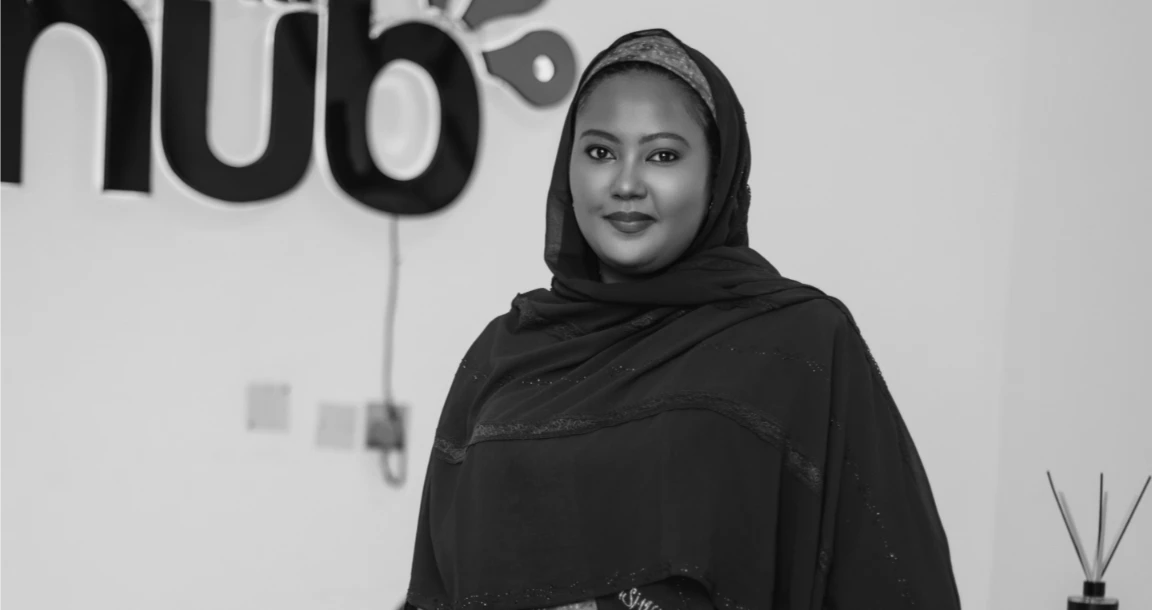
By the Founder, Priori Orators
There are moments in history when the world seems to move all at once. Institutions shift, technology accelerates change and the pace of public conversation becomes almost overwhelming. We are living through such a moment now. Information travels instantly. Narratives form before facts settle. Trust, once assumed, must now be earned and re-earned in public view.
In times like this, leadership is not only measured by decisions or positions of authority. Increasingly, it is measured by voice. Not the loudest voice in the room, but the one that brings clarity when there is confusion, steadiness when there is uncertainty, and perspective when conversations grow narrow or reactive.
As we mark International Women’s Day this year, I find myself reflecting not only on the progress women have made in leadership, but on something that sits quietly at the heart of that progress: the power of women’s voice.
For generations, women have contributed to shaping families, communities, institutions, and nations. Yet history reminds us that influence has not always been matched by visibility. Women have often led, advised, built, and sustained systems while their perspectives remained at the edges of public conversation. Even today, in many sectors, women occupy critical leadership roles but are still less likely to be invited into the spaces where narratives are shaped, where expertise is quoted, and where the direction of public discourse is determined.
This is not simply a question of representation. It is a question of perspective. When certain voices are missing, something valuable is lost. Complex problems benefit from a diversity of insight, experience, and ways of thinking. Leadership becomes stronger when more viewpoints are allowed to inform the conversation.
What I have observed over the years, both in my own journey and in the leaders we work with at Priori Orators, is that women often bring a particular depth to leadership communication. There is frequently a balance between conviction and reflection, between authority and attentiveness, between speaking and listening. In an environment where public discourse can sometimes reward speed and certainty over thoughtfulness, these qualities carry a quiet strength.
The ability to listen carefully before responding. The instinct to consider context before drawing conclusions. The willingness to acknowledge complexity rather than compress it into easy answers. These are not small things. They are the foundations of communication that builds trust.
And trust is the currency of leadership today.
Yet for many women, using their voice fully still requires courage. There remain unspoken expectations that shape how women are heard and judged. Speak too cautiously and your contribution risks being overlooked. Speak too boldly and you may be labelled difficult. Speak with authority and you may find yourself asked to prove expertise again and again.
Navigating these contradictions is not easy. It requires resilience, confidence, and a deep sense of purpose. But every time a woman chooses to speak clearly about an idea, challenge an assumption, or offer a perspective that expands the conversation, something shifts. The room becomes a little wider. The discussion becomes a little richer. The future becomes a little more inclusive.
Voice, after all, is not merely about speaking. It is about influence. It is the ability to shape how people understand a problem, how they weigh decisions, and how they imagine solutions. In an age where narratives can shape public trust, policy direction, and even social stability, voice is one of the most powerful leadership tools we have.
At Priori Orators, we have the privilege of working with leaders across government, public institutions, and organisations that carry immense responsibility. What we see repeatedly is that expertise alone does not guarantee impact. Leaders must also be able to communicate with clarity, credibility, and intention. They must be able to explain difficult decisions, respond to uncertainty, and inspire confidence in moments when the path forward is not obvious.
When women step fully into this space of leadership voice, the effect extends far beyond individual careers. It influences how institutions communicate with the public. It shapes how policies are understood. It models a different kind of leadership for the next generation.
And that next generation is watching.
One of the most powerful acts of leadership is not simply speaking well for oneself, but creating space for others to find their voice. When experienced women leaders encourage younger professionals to contribute ideas, present perspectives, and step forward with confidence, they do more than mentor individuals. They expand the boundaries of what leadership looks and sounds like.
Progress rarely happens through a single moment. It happens through thousands of conversations, through doors opened quietly, through encouragement offered at the right time. It grows when women who have navigated complex paths turn back and extend a hand to those who are just beginning theirs.
International Women’s Day is often marked by statistics and milestones, and those achievements deserve to be celebrated. But beyond the numbers lies a deeper measure of progress. It is not only how many women hold positions of leadership. It is how many women are shaping the conversations that influence our societies.
How many voices are contributing to policy debates.
How many perspectives are guiding organisational strategy.
How many insights are helping communities understand the challenges they face.
Because true progress is not simply about occupying seats at the table. It is about helping guide where the table moves next.
The world today does not only need capable leaders. It needs voices that carry integrity, thoughtfulness, and courage. Voices that can cut through noise without adding to it. Voices that remind us that leadership is not simply about authority, but about responsibility to those who are listening.
When women speak with clarity and conviction, something powerful happens. Conversations deepen. Decisions improve. Possibilities expand.
And in a time when the world is searching for leadership it can trust, voices like these matter more than ever.